
Why you should hike Table Mountain with a registered guide
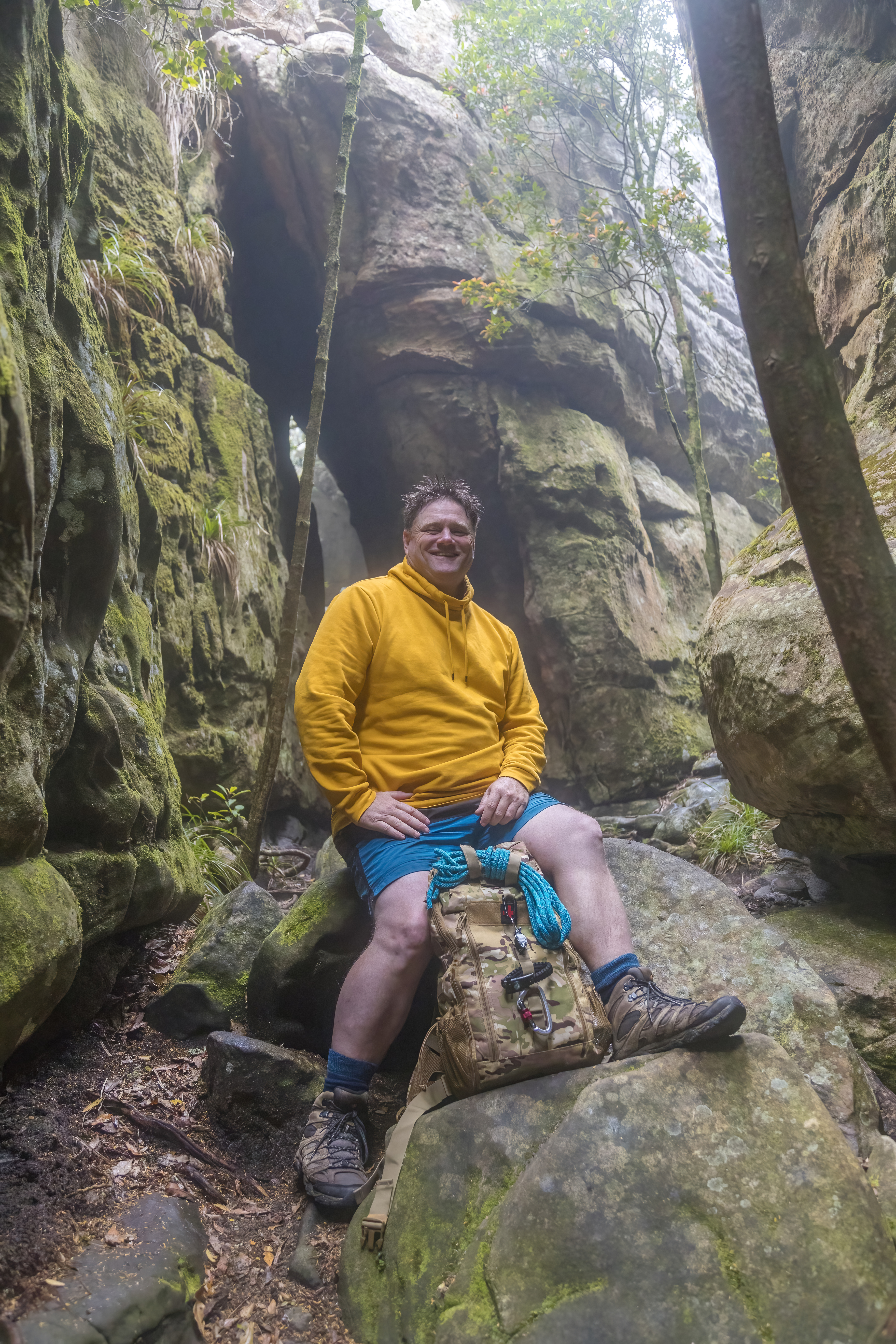
Table Mountain is spectacular. And — fact check — it’s also a real mountain.

It’s surprisingly easy to underestimate. Table Mountain rises directly above a major city, there’s a cable car to the top and, from below, it can look reassuringly accessible.
The reality is different.
Its highest point, Maclear’s Beacon, stands 1,088 metres above sea level, and many hiking routes begin close to sea level. The terrain includes steep gorges, ravines, rocky ledges, sheer drops, forests and an extensive network of paths across the mountain.
Even the best-known routes can be demanding. Platteklip Gorge is only around 3 km to the top, but it’s a steep, relentless climb. Skeleton Gorge involves sustained climbing, ladders and rocky sections that can become slippery after rain.
Conditions can change quickly. Trails can be difficult to follow, especially when cloud rolls in. People fall, get injured, become exhausted, run out of water or discover halfway through a hike that they’re not as comfortable with heights or exposure as they expected.
The majority of hikes end without incident. But if you’re paying someone to take you onto Table Mountain, one of the most important questions isn’t simply whether they know the route. Ask whether they know what to do when something goes wrong.
Not everyone calling themselves a guide is a registered guide
Tourist guiding is a regulated profession in South Africa.
Under the Tourism Act, people operating as tourist guides for reward must be registered. To qualify for registration, guides must undergo recognised training and demonstrate the required competence. They must also hold a valid recognised first-aid certificate and agree to abide by the Tourist Guide Code of Conduct and Ethics.
Registered guides are issued with official identification and a tourist-guide badge.
Registration matters because it shows that the person you are paying to guide you has completed a regulated training, assessment, and registration process. It’s more than simply taking someone’s word for it that they know the mountain.
Knowing the mountain isn’t enough
An experienced mountain guide knows the routes, the terrain and how conditions affect different parts of the mountain. A good guide also knows when to change the plan.
But professional guiding involves much more than knowing which path to follow.
What happens if someone slips and can’t put weight on an ankle? Develops chest pain? Becomes badly dehydrated? Panics on an exposed section of trail? What if the weather changes and the planned route is no longer the sensible way home?
That’s when the difference between someone who knows the mountain and someone who is properly equipped to take responsibility for other people becomes important.
South Africa’s Tourist Guide Code of Conduct requires registered guides to take reasonable steps to ensure the safety of the tourists they accompany. Registered guides must also hold valid first-aid certification.
These things may not seem particularly important when you’re booking a hike. They become critical when something goes wrong.
What happens when things go wrong?
During my years as a mountain rescuer in Cape Town, I’ve seen the other side of guiding.
On more than one rescue operation, I’ve come across commercial guides who weren’t registered. I’ve also attended incidents where, after a client was injured, the guide disappeared rather than staying with the person they’d taken onto the mountain.
That leaves an injured person in an extraordinarily vulnerable position.
These aren’t the situations anybody thinks about when booking a beautiful morning hike on Table Mountain. And thankfully, most people will never encounter them.
But professional guiding isn’t only about what happens when everything goes right. It’s about what happens when it doesn’t.
What should you expect from a professional hiking guide?
Apart from knowing the route, a professional guide should:
understand the terrain and changing mountain conditions
assess whether a route is suitable for the people they’re guiding
recognise when conditions mean a plan should change
carry appropriate safety and first-aid equipment
know how to respond to an injury or medical problem
know how and when to call for mountain rescue
remain with and take responsibility for their clients
understand the natural and cultural environment they’re guiding in.
And, perhaps most importantly, a professional guide shouldn’t feel pressured to complete a particular route just because that’s what was originally planned.
Sometimes good guiding means knowing when to turn around.
How can you check whether a Cape Town hiking guide is registered?
Ask.
Registered South African tourist guides are issued with official identification, a badge and registration details.
A legitimate guide should be comfortable showing you their credentials. If you’re booking a guided hike in the Western Cape and you’re uncertain about someone’s registration status, you can also contact the Western Cape Tourist Guide Registration Office to check.
Don’t feel awkward about asking. If you’re paying somebody to take responsibility for you or your family in a mountain environment, it’s a perfectly reasonable question.
Registration doesn’t guarantee that nothing will go wrong
An experienced, properly trained guide can’t prevent every accident, control the weather or guarantee that you’ll never need mountain rescue. Nor does a registration card automatically make somebody a brilliant guide.
Registration does tell you that the person has entered a regulated profession. They have undergone recognised training, demonstrated the required competence, met first-aid requirements and agreed to a professional code of conduct.
That’s a very different proposition from somebody who knows a few good trails and has decided to start charging people to follow them.
The mountain will still be there tomorrow
One of the joys of walking with an experienced guide is that you don’t have to spend the day worrying about navigation or wondering whether you’ve taken the wrong turn.
You can relax and enjoy the view.
A good guide can tell you what you’re seeing, take you somewhere you might not have discovered alone and help you understand the landscape rather than simply pass through it.
But perhaps the greatest value of professional guiding is good judgement.
Knowing when to carry on. When to change route. When someone in the group needs help, even if they don’t ask for it. And knowing when it’s time to turn around.
The mountain will still be there tomorrow.
Make sure the person you’re following today is qualified to lead you there.
“Tim Lundy is a registered Western Cape tourist guide (WC7676) and experienced mountain rescuer.”


Comments