
The benefits of walking: why you should walk more
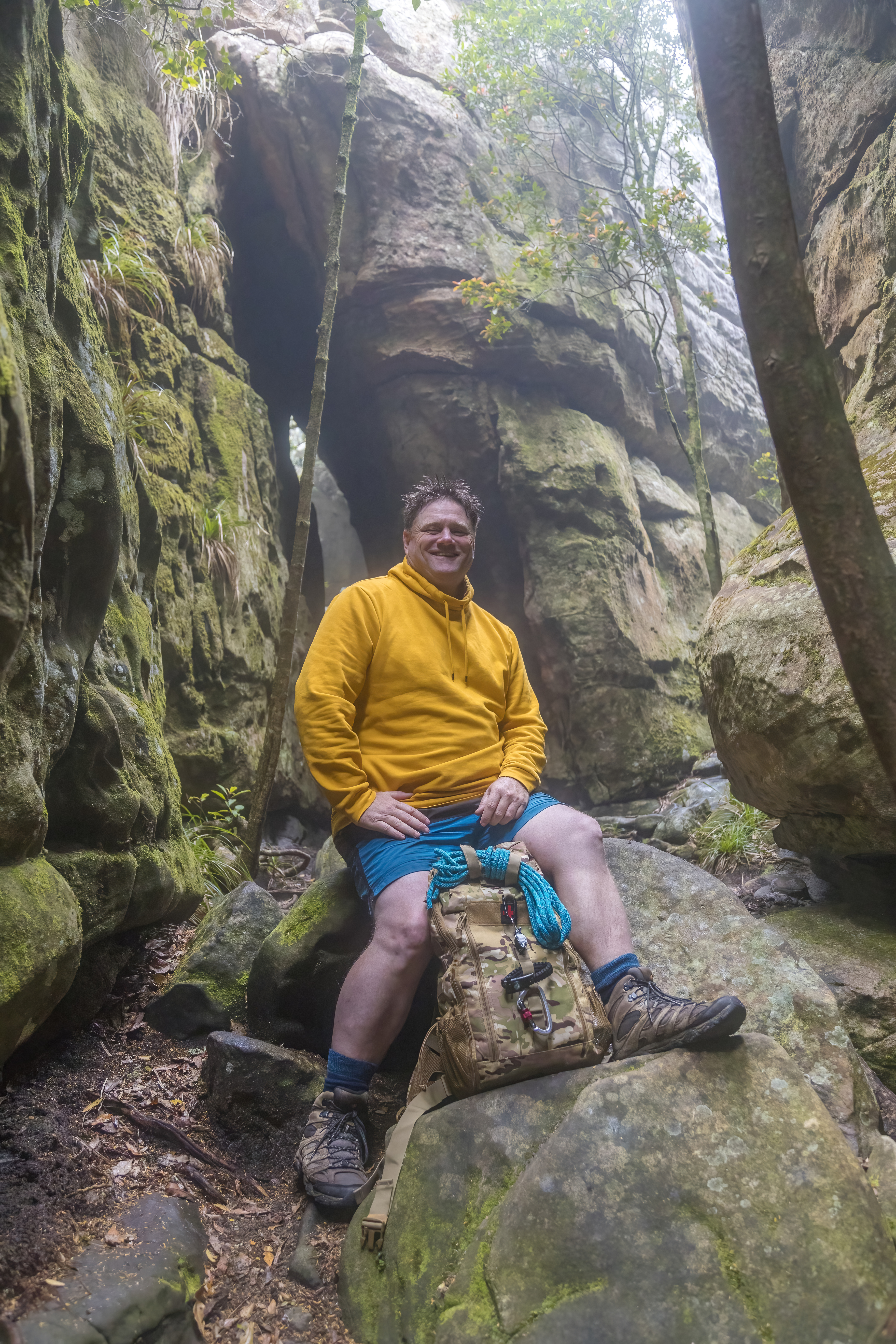
Walking is one of the easiest ways to improve your health.

You don’t need expensive equipment, a gym membership or even a training programme.
Put on a pair of sturdy, comfortable shoes and walk out the front door, and you’re already doing something good for your body and mind.
And increasingly, research suggests that where you walk matters too. Walking in nature may offer benefits beyond those of walking alone.
Walking is good for your physical health
You don’t need to walk 10,000 steps a day before the benefits kick in.
Research shows that:
Health benefits become apparent from around 3,000 steps a day.
Across the evidence, every additional 1,000 daily steps was associated with around a 9% lower risk of premature death.
The relationship between steps and health isn’t completely linear, and the optimum number varies according to factors including age and sex. But the message is straightforward: moving more helps, and even a relatively modest amount can make a meaningful difference.
Walking regularly also contributes towards the recommended 150–300 minutes of moderate physical activity each week, supporting cardiovascular fitness, mobility and physical function.
Walking is good for your mental health
The mental-health evidence is increasingly compelling.
A major review involving 75 randomised controlled trials and more than 8,600 people found that walking significantly reduced symptoms of depression and anxiety. Benefits were found across different walking durations and frequencies, and whether people walked alone or in groups.
And if you walk in nature, there may be an added boost.
A 2025 meta-analysis comparing walking in natural and urban environments found greater reductions in anxiety and depression after nature walks. Another major review, published in 2026 and analysing 55 intervention studies, found that walking in natural surroundings increased positive feelings and reduced anxiety compared with walking in artificial environments.
Intriguingly, the researchers found that walking just 1.5 to 2.5 km in nature could significantly improve positive feelings.
Again, that’s a potentially big return on a relatively small investment. You don’t need an epic day in the mountains
to feel the benefits. A walk through your local park can help too.
Walking with others creates social connection
Walking takes us out of our heads and into the world.
A 2025 review of 112 studies found that using green spaces, living in walkable surroundings and feeling connected to your neighbourhood were all associated with lower levels of loneliness.
Walking with a group can offer something more. Research into outdoor walking groups has found wide-ranging physical and psychological health benefits, while qualitative research suggests that the shared experience of walking can encourage social connection, companionship and a sense of belonging.
There’s something rather easy about talking while you’re walking. You’re usually side by side rather than face to face, and when the scenery is constantly changing, there’s less pressure to fill every silence.
A walk can, of course, be time alone to clear your head. But it can just as easily mean a few hours talking to a friend, meeting new people or sharing an experience with family.
Bonus benefits of walking in nature

Walking is good for us, and spending time in nature is good for us. Put the two together, and growing evidence suggests an additional benefit.
A large 2025 analysis of 78 real-world experiments, drawn from a review of 449 studies, found that exposure to urban nature improved a broad range of mental-health outcomes, with parks and urban forests particularly beneficial for reducing negative moods and improving wellbeing.
Research on walking supports that picture: compared with walking in artificial or urban environments, walking in natural surroundings has been associated with greater improvements in positive feelings and reductions in anxiety.
And nature doesn’t have to mean heading deep into the wilderness.
A park, forest, beach, mountain path or other green space gives you somewhere to move, switch off from daily life and spend some time outside.
Walking is a good place to start
Most of us know we should exercise more. The harder question is where to begin.
Gym memberships, training programmes and ambitious fitness targets can make getting healthier feel overwhelming, or another project to manage. Walking removes much of that friction. You already know how to do it, it costs nothing, and you can start with 20 minutes.
The benefits aren’t only physical. Depression and anxiety are major public-health concerns, while loneliness and social isolation are increasingly recognised as threats to health and wellbeing. Walking won’t solve any of these problems on its own, but the evidence suggests this simple activity can contribute to better physical and mental health. Walking with other people also creates opportunities for something equally valuable: connection.
So the message is simple: go for a walk.
Then make it a regular habit. If you’re short on time, or you can’t manage much, walk for just 20 minutes. If you can, walk with other people, even if you don’t know them yet.
And when you can, swap the pavement for a forest, a park, a beach or a mountain trail.
But most importantly, just walk.


Comments